Dahshur Pyramids: Discover the Bent and Red Pyramids

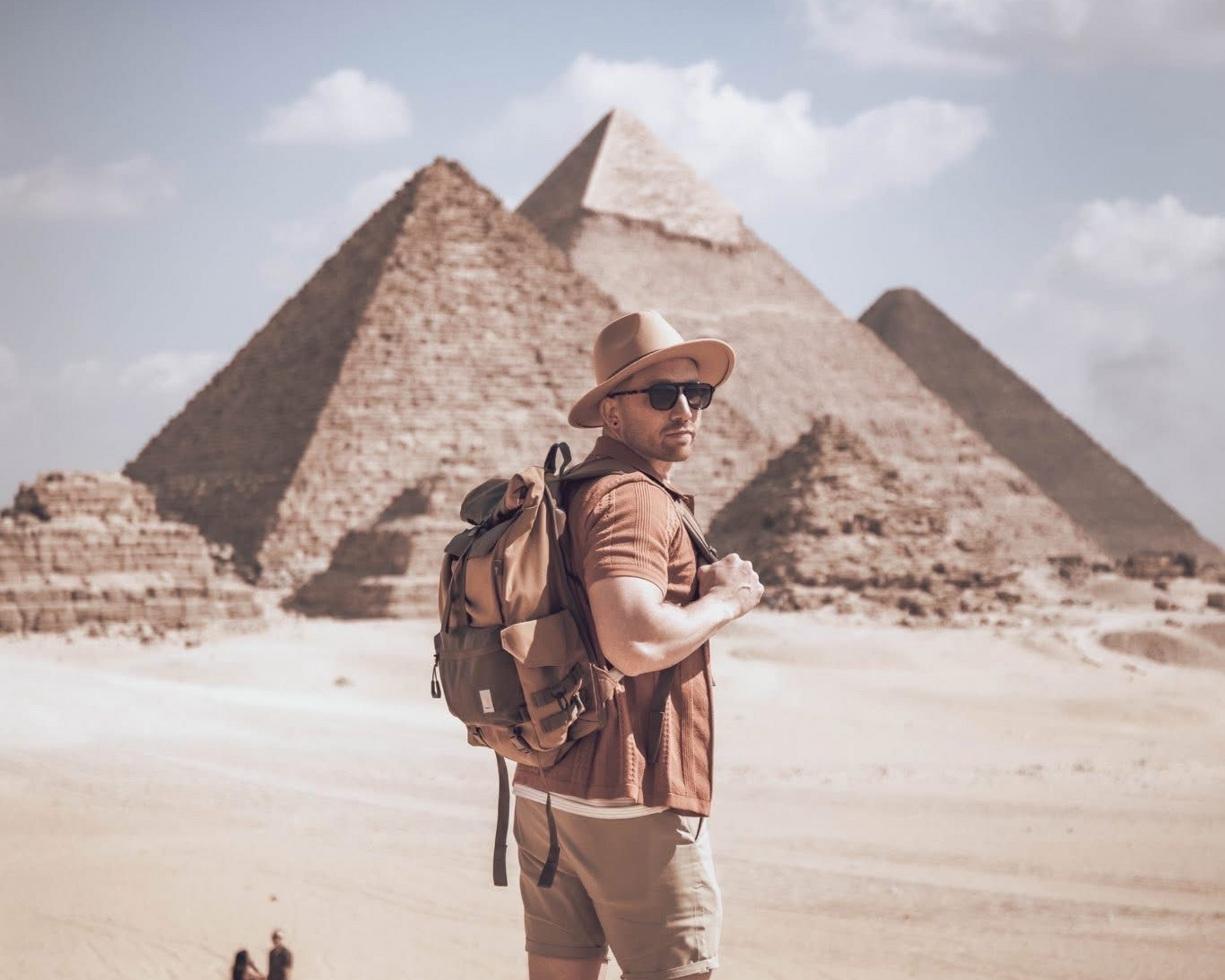
When travelers think about Egypt, the Great Pyramids of Giza are usually the first monuments that come to mind. But just a short distance from Giza lies another fascinating ancient site that offers a quieter and deeper look into the development of pyramid construction: (Dahshur).


Located south of Cairo, the Dahshur archaeological area is home to some of Egypt's oldest and most remarkable pyramids. Here, visitors can see the famous Bent Pyramid and Red Pyramid, explore the desert landscape, and discover an important chapter in the history of ancient Egyptian architecture.


Where Is Dahshur?


Dahshur is located approximately 40 kilometers south of central Cairo and forms part of the ancient pyramid fields surrounding the Egyptian capital.

The area is less crowded than Giza, making it an excellent destination for travelers who want to experience ancient Egypt in a more peaceful desert setting.

Dahshur was an important royal necropolis during Egypt's Old Kingdom and is particularly famous for the pyramids built during the reigns of Pharaoh Sneferu and later rulers.


The Bent Pyramid:


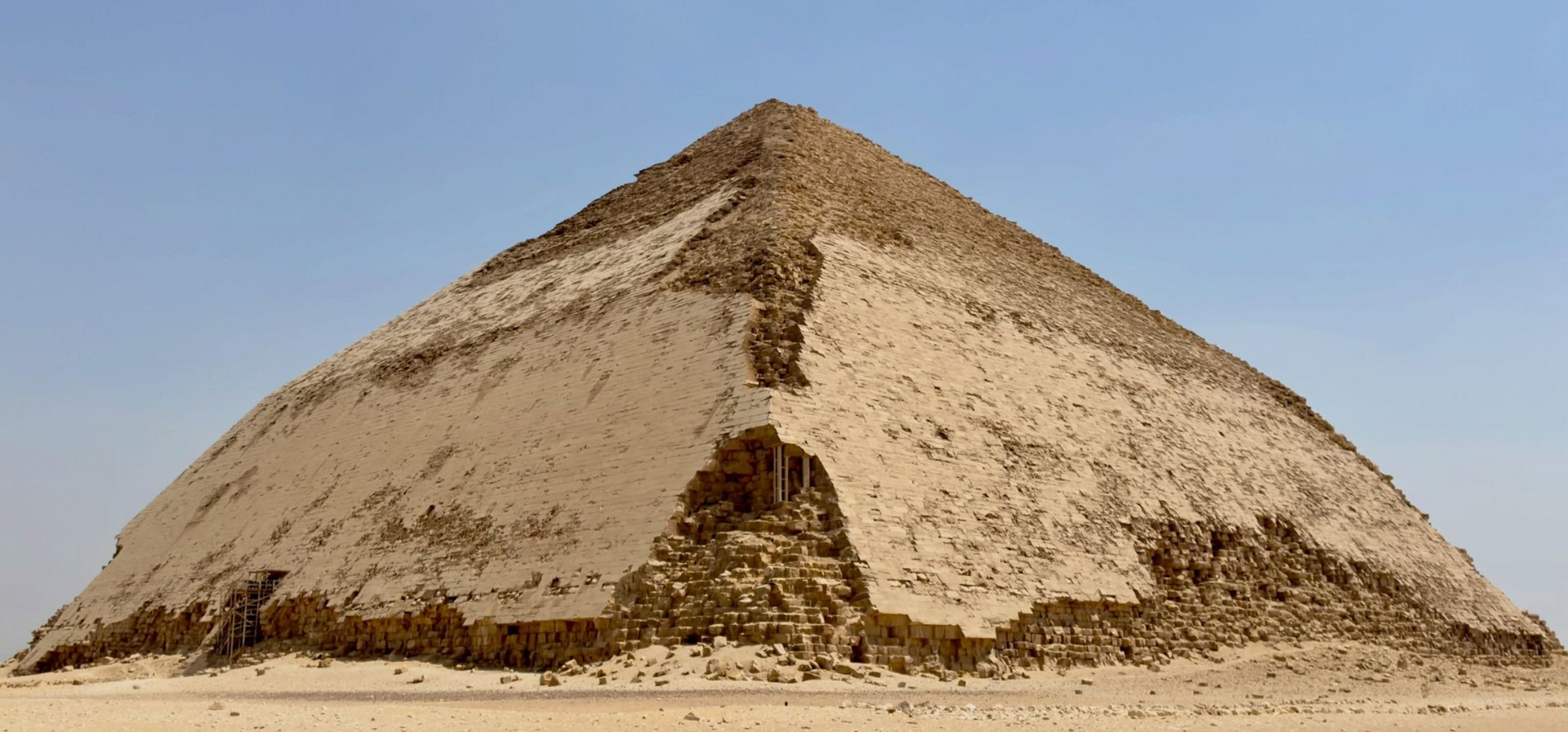
The Bent Pyramid is one of the most unusual pyramids in Egypt.

Built for Pharaoh Sneferu, the pyramid gets its name from its distinctive shape. The lower section has a steep angle, while the upper section changes to a shallower angle, creating the appearance of a bend.

This unusual design provides fascinating evidence of the experimentation and engineering challenges faced by ancient Egyptian builders.

The Bent Pyramid is also remarkable because much of its original smooth limestone casing remains. This gives visitors a better idea of how pyramids may have looked when they were newly completed thousands of years ago.


The Red Pyramid:


Not far from the Bent Pyramid stands the Red Pyramid, another major achievement associated with Pharaoh Sneferu.

The Red Pyramid is considered one of the earliest successful true pyramids, with straight sides leading to a pointed summit. It takes its name from the reddish color of the limestone used in its construction.

The pyramid is also famous because visitors can enter its interior. Those who choose to go inside can walk through ancient passages and chambers and experience the impressive scale of this early pyramid.

For travelers interested in pyramid architecture, the Red Pyramid is one of the most important monuments to visit in Egypt.


Why Is Dahshur Important?


Dahshur is important because it helps tell the story of how Egyptian pyramid construction developed.

The Bent Pyramid demonstrates an experimental stage in pyramid design, while the Red Pyramid represents a major step toward the classic smooth-sided pyramid form later seen at Giza.

Visiting Dahshur therefore provides more than impressive photographs. It allows travelers to understand the architectural evolution that eventually led to the construction of the Great Pyramid of Khufu.


Dahshur vs. Giza


Both Dahshur and Giza offer unforgettable pyramid experiences, but they provide different atmospheres.

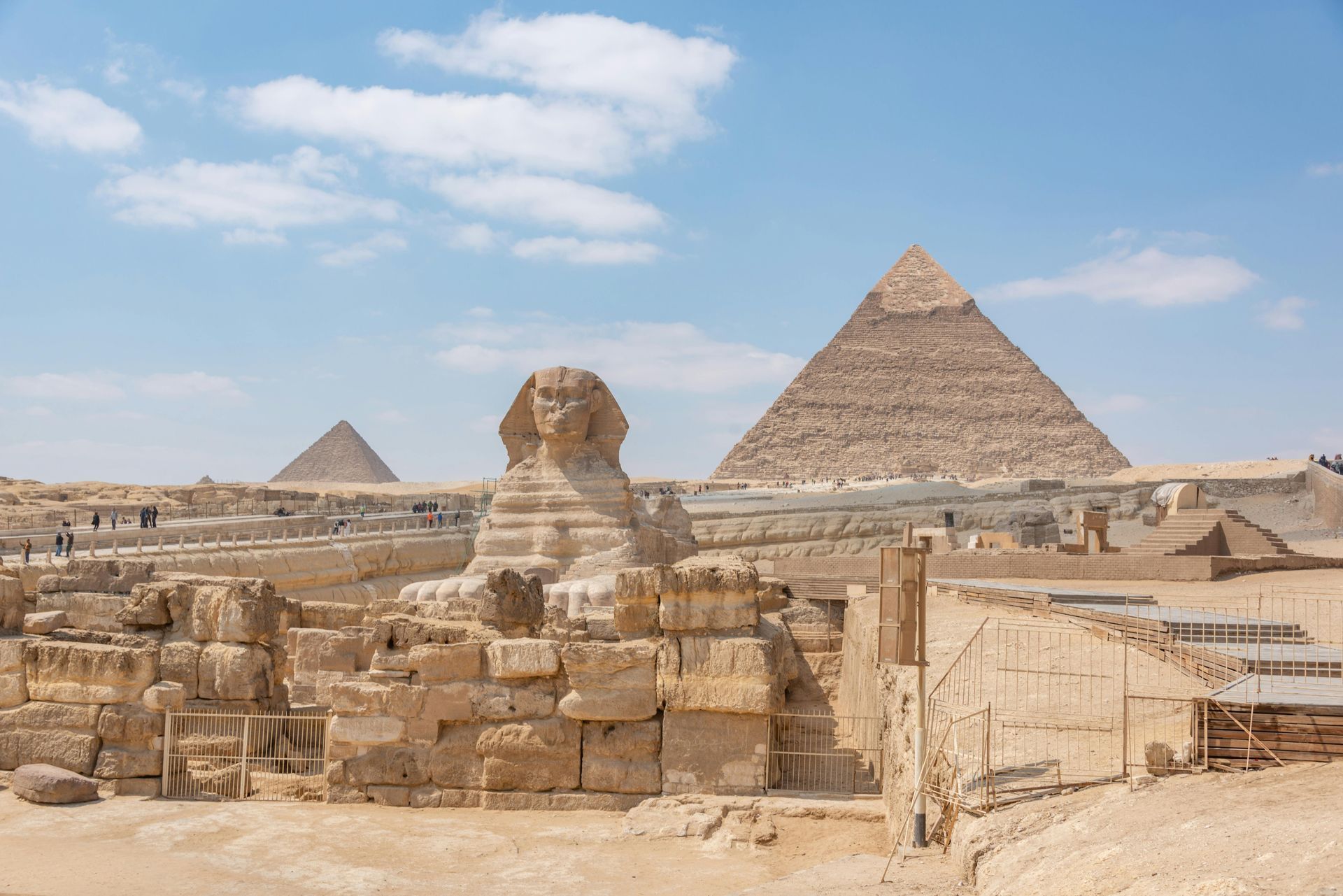
Giza is the most famous pyramid site and is home to the Great Pyramid of Khufu, the Pyramid of Khafre, the Pyramid of Menkaure, and the Great Sphinx.


Dahshur is generally quieter and offers travelers the chance to see unusual pyramid designs, including the Bent Pyramid and Red Pyramid.


If you have enough time during your trip to Cairo, visiting both sites is an excellent way to experience different periods of ancient Egyptian architecture.


What Can You See in Dahshur?


A visit to Dahshur can include several memorable experiences:


  • The Bent Pyramid of Sneferu
  • The Red Pyramid of Sneferu
  • Ancient desert landscapes
  • Royal tombs and archaeological remains
  • Beautiful panoramic views
  • Opportunities for unique photographs
  • The chance to enter the Red Pyramid, subject to site access and tickets


The surrounding desert also provides a peaceful contrast to the busy streets of Cairo.


Best Time to Visit Dahshur:


The best time to explore Dahshur is generally during the cooler parts of the day.

Early morning is an excellent choice for comfortable sightseeing and photography. The desert landscape can become very warm during the middle of the day, particularly in the summer months.

Visitors should bring drinking water, wear comfortable shoes, and protect themselves from the sun.


A Great Experience for History Lovers:


Dahshur is especially appealing to travelers who enjoy history, archaeology, architecture, and photography.

While Giza is famous for its monumental scale and international recognition, Dahshur offers something different: the opportunity to see the experimentation and development that helped shape the pyramid-building tradition of ancient Egypt.

Standing beside the Bent Pyramid or exploring the Red Pyramid provides a powerful connection to the people who designed and built these extraordinary monuments more than 4,500 years ago.


Combine Dahshur With Other Ancient Sites:


Dahshur can be combined with other important archaeological attractions in the Memphis area.

A full-day itinerary could include Dahshur, Memphis, and Saqqara, allowing travelers to explore several important stages of ancient Egyptian history in one trip.


For visitors staying in Cairo or Giza, a private tour can make the experience more comfortable and flexible, with hotel pickup, transportation, and the freedom to spend more time at the sites that interest them most.


Why Visit Dahshur?


If you want to explore Egypt beyond the most famous tourist attractions, Dahshur is an excellent choice.

Its unique pyramids, peaceful desert surroundings, fascinating architecture, and historical importance make it one of the most rewarding archaeological destinations near Cairo.


The Bent Pyramid shows the experimentation of ancient builders. The Red Pyramid demonstrates their remarkable progress. Together, they tell an important story about the evolution of one of the world's most recognizable forms of architecture.


Dahshur is more than a collection of ancient pyramids—it is a window into the engineering, ambition, and innovation of ancient Egypt.


Related Items:

List of services

Grand Egyptian Museum: Discover the Treasures of Ancient Egypt

The Grand Egyptian Museum (GEM) is one of Egypt's most impressive cultural attractions and an exciting destination for anyone interested in ancient history, archaeology, and Egyptian civilization.

Located near the world-famous Giza Pyramids, the museum brings together thousands of ancient Egyptian artifacts in a remarkable modern architectural setting. Visitors can explore the history of the pharaohs, discover extraordinary works of art, and learn more about the civilization that shaped one of the world's most fascinating ancient cultures.

Its location also makes it possible to combine a museum visit with the famous Pyramids of Giza, creating an unforgettable day of history, archaeology, and culture in Cairo.
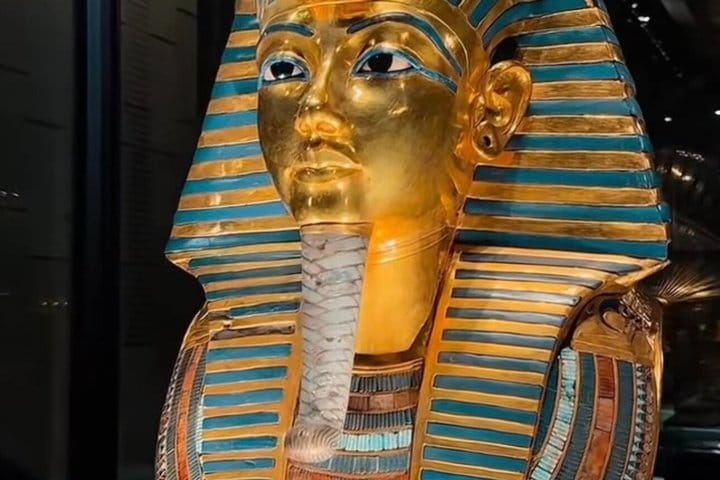
Grand Egyptian Museum in Giza, Egypt, showcasing its impressive modern architecture

Where Is the Grand Egyptian Museum?

The Grand Egyptian Museum is located in the Giza area, close to the Pyramids of Giza and approximately 30 minutes from central Cairo, depending on traffic.

Its location makes it convenient for travelers staying in both Cairo and Giza. Visitors can include the museum in a private sightseeing itinerary alongside the Giza Pyramids, the Great Sphinx, Saqqara, or other historical attractions.

Travel tip: If you are staying in Cairo or Giza, consider arranging private transportation to make your museum visit more comfortable and easier to combine with other attractions.

A Modern Museum for an Ancient Civilization

The Grand Egyptian Museum combines ancient Egyptian heritage with modern museum design. Its impressive architecture, spacious galleries, and large exhibition areas create an environment where visitors can explore thousands of years of history.

As you enter the museum, the building itself becomes part of the experience. Large open spaces and carefully designed exhibition areas provide an impressive setting for discovering Egypt's ancient heritage.
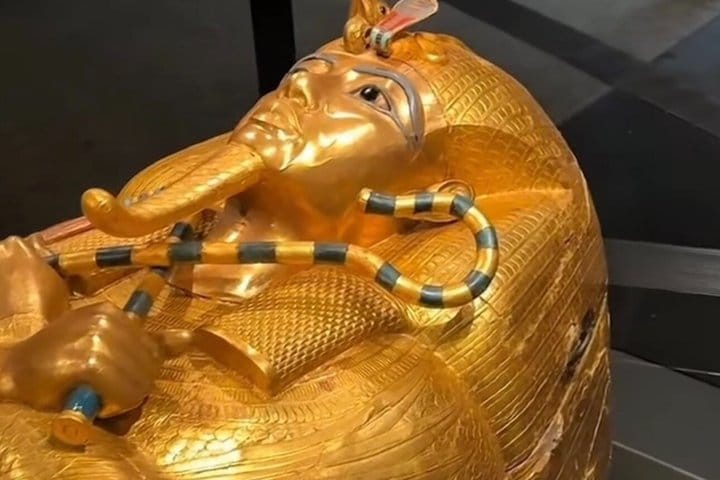
Interior and architectural features of the Grand Egyptian Museum in Cairo, Egypt

Explore Thousands of Ancient Egyptian Artifacts

One of the main reasons to visit the Grand Egyptian Museum is its extraordinary collection of ancient Egyptian artifacts. The collections cover different periods of Egyptian history and include statues, jewelry, ceremonial objects, funerary items, and objects from everyday life.

Together, these discoveries help tell the story of Egypt's pharaohs, religious beliefs, royal traditions, artistic achievements, and daily life. Each object offers a closer look at the people and culture behind the monuments that still stand across Egypt today.

The Treasures of Tutankhamun

One of the most anticipated attractions associated with the Grand Egyptian Museum is the collection of treasures belonging to King Tutankhamun.

Tutankhamun became one of the most famous pharaohs in history following the discovery of his remarkably preserved tomb in the Valley of the Kings in 1922 by Howard Carter.

The objects from the young pharaoh's tomb offer an extraordinary insight into royal life, craftsmanship, religious beliefs, and burial traditions during ancient Egypt's New Kingdom.

The collection includes beautifully decorated objects, jewelry, statues, and other royal treasures that demonstrate the exceptional skill of ancient Egyptian craftsmen.

Important: Check the current ticket information and exhibition access arrangements before your visit. Some experiences or special exhibitions may require separate admission or have specific access conditions.

See Monumental Ancient Egyptian Statues

The Grand Egyptian Museum also presents monumental statues and sculptures representing some of Egypt's most important rulers and historical figures.

These impressive works provide visitors with a better understanding of ancient Egyptian artistic traditions and the importance of pharaohs and gods in Egyptian culture. Walking through the exhibition spaces allows travelers to appreciate the remarkable details carved into stone thousands of years ago.
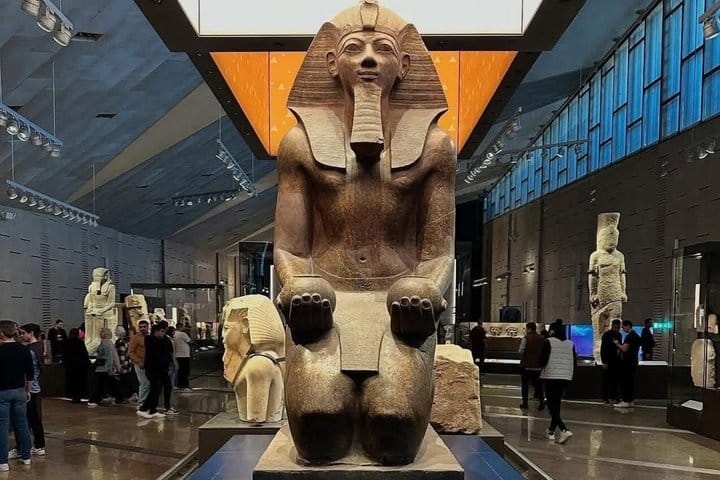
Ancient Egyptian statues and archaeological treasures displayed at the Grand Egyptian Museum

Why Visit the Grand Egyptian Museum?

The Grand Egyptian Museum offers a different experience from visiting archaeological sites such as Giza, Saqqara, and Dahshur.

At the pyramids, you can stand beside the actual monuments built thousands of years ago. Inside the museum, you can discover the artifacts, statues, and objects created and used by the people of ancient Egypt.

Combining both experiences gives visitors a deeper understanding of Egyptian civilization and the people who built its extraordinary monuments.

  • Discover remarkable ancient Egyptian artifacts and royal treasures.
  • Learn about the pharaohs and their role in Egyptian history.
  • Explore monumental statues and ancient sculptures.
  • Discover objects connected with the life and burial of Tutankhamun.
  • Experience one of Egypt's most impressive modern cultural attractions.

Combine the Grand Egyptian Museum with the Giza Pyramids

Because the Grand Egyptian Museum is located close to the Giza Pyramids, combining the two attractions is an excellent choice for travelers with limited time in Cairo.

A typical sightseeing itinerary can begin with a visit to the Giza Pyramids, including the Great Pyramid of Khufu, the Pyramid of Khafre, the Pyramid of Menkaure, and the Great Sphinx.

Travelers can then continue to the Grand Egyptian Museum to explore ancient artifacts and learn more about the civilization that created these extraordinary monuments.

This combination allows you to experience both the monumental architecture of ancient Egypt and the treasures that reveal the lives of its people in one memorable day.

A Great Destination for Families

The Grand Egyptian Museum can be an exciting experience for families traveling with children. Instead of learning about ancient Egypt only through books, children can see real archaeological objects, statues, and historical treasures while discovering stories about pharaohs, gods, and everyday life.

The museum's modern environment also provides a comfortable setting for families to explore Egyptian history together. Parents can make the experience more engaging by explaining the stories behind the artifacts and encouraging children to ask questions.

Tips for Visiting the Grand Egyptian Museum

To make the most of your visit, consider these practical tips:

  • Allow enough time: The museum has extensive exhibition spaces, so give yourself plenty of time to explore.
  • Wear comfortable shoes: You may spend several hours walking through the galleries.
  • Combine your visit with Giza: The museum's location makes it convenient to include the pyramids in the same itinerary.
  • Check ticket information: Review admission details and access arrangements for any special exhibitions before visiting.
  • Consider a professional guide: A knowledgeable Egyptologist can explain the stories behind the artifacts and help you understand their historical importance.
  • Arrange transportation: Private pickup and drop-off can make your journey between your hotel and the museum more convenient.

The Best Way to Experience the Grand Egyptian Museum

A private tour is a convenient way to visit the Grand Egyptian Museum, especially for travelers who want a comfortable journey and a more informative experience.

Private transportation allows you to travel between your hotel and the museum without worrying about arranging local transport. With a professional Egyptologist guide, you can also learn more about the history and significance of the artifacts and exhibitions.

Whether you prefer a simple museum visit with private transfers or a guided experience, choosing the right tour can help you make the most of your time in Cairo.

Explore the Grand Egyptian Museum with Emo Tours Sweden

Emo Tours Sweden offers convenient Grand Egyptian Museum experiences for travelers visiting Cairo and Giza. Choose between a museum ticket with private transportation or a guided half-day trip with a professional guide.

Grand Egyptian Museum ticket experience with private pickup and drop-off

Grand Egyptian Museum Ticket with Private Pick Up and Drop Off

Visit the Grand Egyptian Museum with the convenience of private transportation from your hotel. Enjoy a comfortable pickup and drop-off service and discover the museum at your own pace.

View Tour Details
Guided half-day visit to the Grand Egyptian Museum from Cairo

Grand Egyptian Museum Half Day Guided Trip from Cairo

Discover the fascinating history of ancient Egypt on a guided museum visit from Cairo. Explore the collections and learn about the pharaohs, royal treasures, and ancient Egyptian civilization.

View Tour Details

Frequently Asked Questions About the Grand Egyptian Museum

Where is the Grand Egyptian Museum located?

The Grand Egyptian Museum is located in Giza, near the famous Giza Pyramids and approximately 30 minutes from central Cairo, depending on traffic.

What can I see inside the Grand Egyptian Museum?

Visitors can explore ancient Egyptian statues, jewelry, ceremonial objects, funerary artifacts, and collections covering different periods of Egyptian history, including objects associated with King Tutankhamun.

Can I visit the Grand Egyptian Museum and the Giza Pyramids on the same day?

Yes. The museum is close to the Giza Pyramids, making it possible to combine both attractions in one sightseeing itinerary. Allow sufficient time for each visit.

How long should I spend at the Grand Egyptian Museum?

The time required depends on your interests and the exhibitions you want to explore. Allow several hours for a comfortable visit and more time if you plan to see the museum in detail.

Is a tour guide recommended at the Grand Egyptian Museum?

A professional Egyptologist guide can make your visit more informative by explaining the history, cultural significance, and stories behind the museum's artifacts.

Can I book a Grand Egyptian Museum tour with private transportation?

Yes. Emo Tours Sweden offers a Grand Egyptian Museum ticket experience with private pickup and drop-off, as well as a guided half-day museum trip from Cairo.

Discover Ancient Egypt at the Grand Egyptian Museum

The Grand Egyptian Museum represents an exciting chapter in the way visitors can experience the history of ancient Egypt.

From monumental statues and ancient artifacts to the treasures associated with Tutankhamun, the museum offers an extraordinary journey through one of the world's most fascinating civilizations.

Whether you are visiting Egypt for the first time or returning to discover more, the Grand Egyptian Museum is an experience worth adding to your Cairo itinerary.

After exploring its galleries, you can look toward the nearby Giza Plateau, where the pyramids have stood for thousands of years — a powerful reminder of the remarkable civilization you have just discovered.

Plan Your Grand Egyptian Museum Visit

Let Emo Tours Sweden help you discover the treasures of ancient Egypt with convenient private transportation and guided sightseeing experiences.

Website: www.emotourssweden.com

Email: info@emotourssweden.com

WhatsApp: +46 709 263 343
Guiding Training & Insights

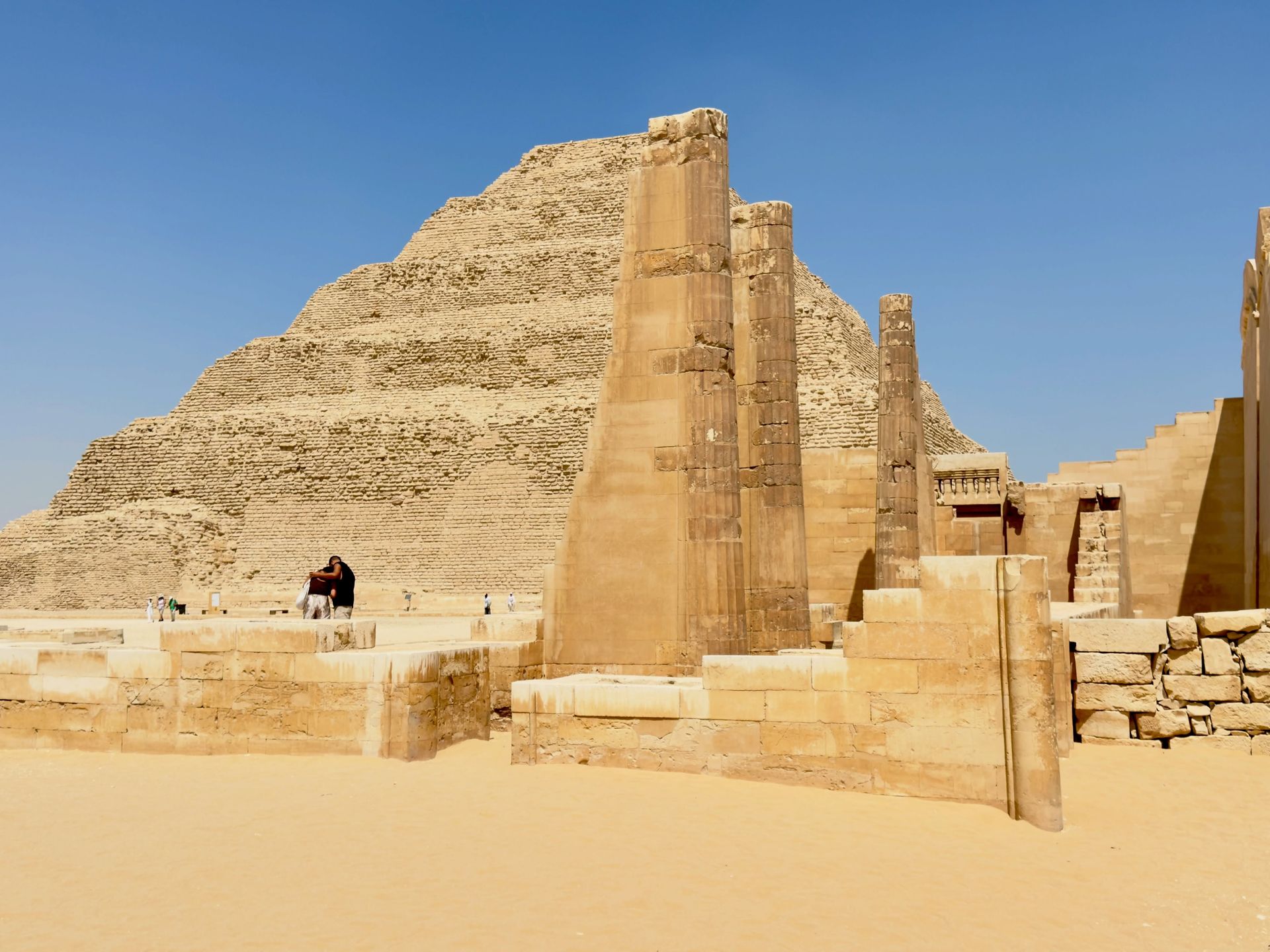
Step Pyramid of Djoser at Saqqara, Egypt, showcasing the ancient origins of pyramid architecture nea
By Hamdy Ahmed • November 8, 2026
Discover Saqqara in Egypt, home of the Step Pyramid of Djoser. Explore ancient tombs, pyramid texts and fascinating history on a private tour from Cairo.
Giza pyramids
By Hamdy Ahmed • August 30, 2026
Discover the Great Pyramids of Giza, explore the pyramids of Khufu, Khafre and Menkaure, visit the Sphinx, and experience ancient Egypt in Cairo.
White desert safari from Cairo with Emo Tours Sweden
By Hamdy Ahmed • December 4, 2025
Explore the best desert safari tours from Cairo, including the White Desert, Fayoum, Wadi El Hitan, Giza ATV rides, sandboarding, and private 4x4 adventures.
Exploring Luxor: Egypt's Ancient Heartbeat
By Hamdy Ahmed • March 8, 2025
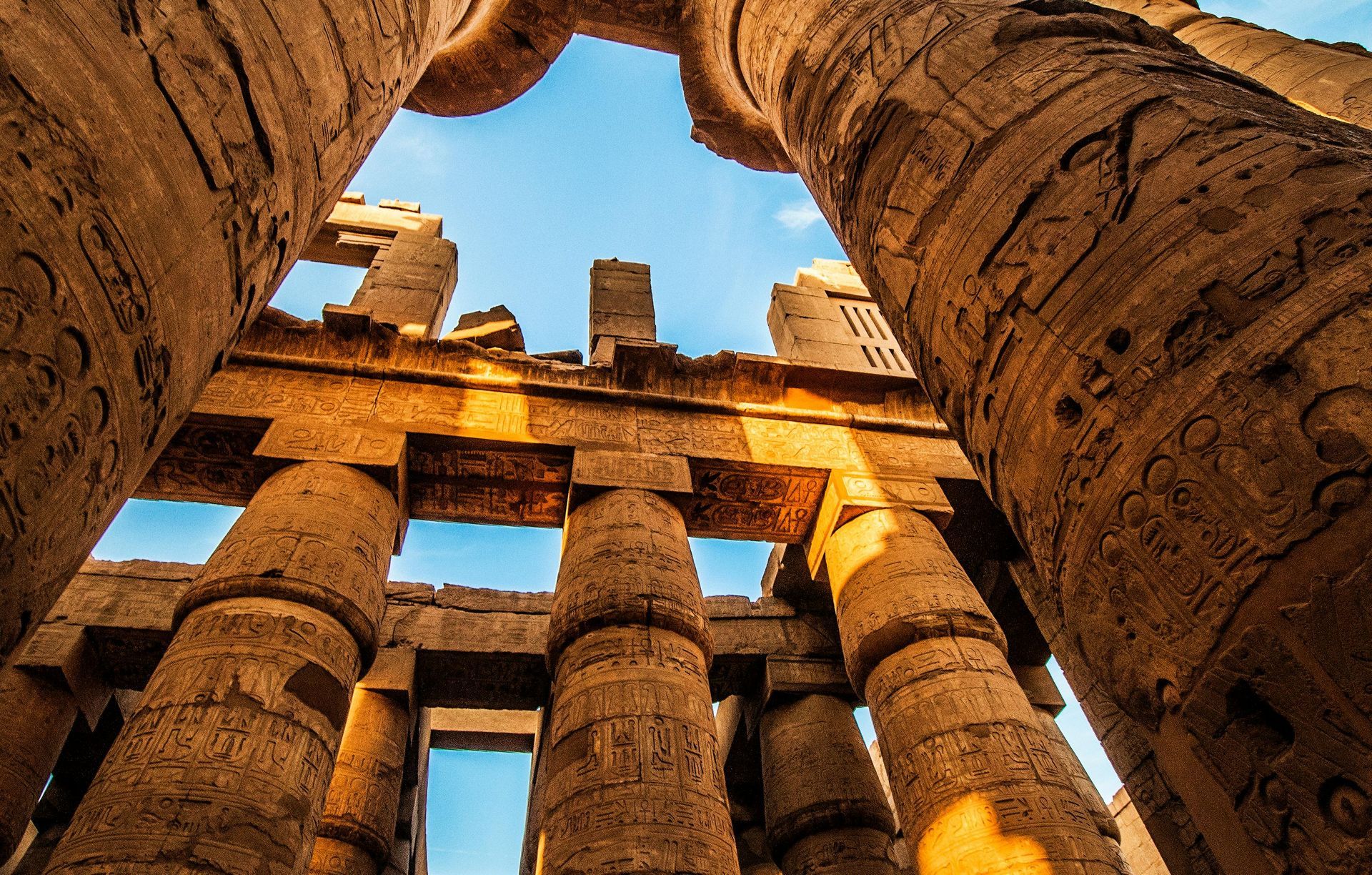
Luxor, often referred to as the "world’s greatest open-air museum," is one of the most iconic cities in Egypt. It’s located along the Nile River in Upper Egypt and was once the capital of the ancient Egyptian New Kingdom. Today, Luxor stands as a testament to Egypt's glorious past, with magnificent temples, tombs, and monuments that provide insight into the country's rich history.
Wadi Al-Hitan (Whales Valley) is one of the most remarkable paleontological sites in the world, offe
By Hamdy Ahmed • February 27, 2025
Wadi Al-Hitan (Whales Valley) is one of the most remarkable paleontological sites in the world, offering a glimpse into life on Earth 40 million years ago
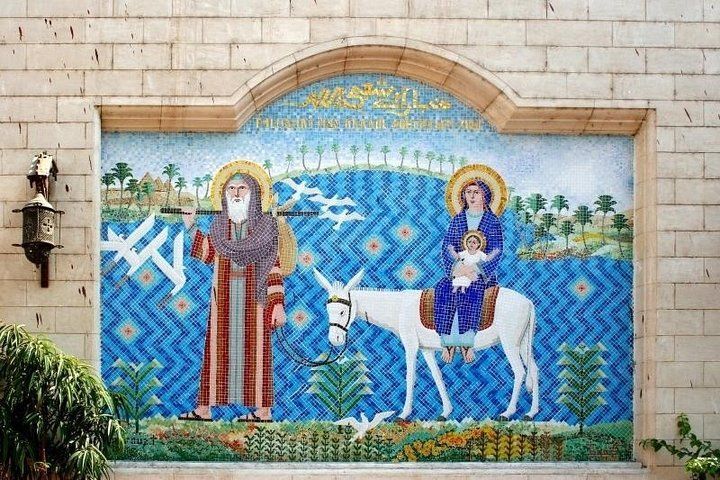
the journey of the Holy Family in Egypt, including key destinations for spiritual pilgrimage
By Hamdy Ahmed • February 25, 2025
The story of the Holy Family—Jesus, Mary, and Joseph—escaping to Egypt is one of the most significant events in Christian history, known as the Flight into Egypt. This journey is mentioned in the Gospel of Matthew (2:13-15), where an angel warns Joseph in a dream to take his family to Egypt to avoid King Herod’s decree to kill all male infants in Bethlehem. As they fled, they traveled through various regions in Egypt, marking important places where the family is believed to have stayed.
By Hamdy Ahmed • February 24, 2025
The Nile River: Lifeblood of Egypt The Nile River is not only the longest river in the world but also the lifeblood of Egypt. Flowing through the heart of the country, it has been a source of life, sustenance, and prosperity for thousands of years.....
By Hamdy Ahmed • February 23, 2025
Egypt, the cradle of one of the oldest civilisations in history, is a country that has fascinated traveller's for centuries. From the awe-inspiring pyramids to the serene Nile River, Egypt is a treasure trove of cultural and historical wonders.......
By Hamdy Ahmed • February 23, 2025
Being a successful tour leader in Egypt requires a combination of knowledge, professionalism, and customer service skills. Here are some key qualities and responsibilities. 1. Deep Knowledge of Egypt. -Study Egyptian history, culture, and geography thoroughly.-Stay updated on the latest tourism trends and attractions.
By Hamdy Ahmed • January 28, 2024
Are you seeking a unique and personal connection with ancient history and spirituality? Look no further. At Emo Tours Sweden, we understand the significance of practicing your religion in a sacred and private space
By Hamdy Ahmed • June 2, 2023
Gustav II Adolf, also known as Gustavus Adolphus in English, was born in 1594 in Sweden. He became king of Sweden in 1611 at the age of 17, following the death of his father.....
A scenic view of the Göta Älv River in Gothenburg, Sweden
By Hamdy Ahmed • June 2, 2023
The Göta Älv is a major river in Sweden that runs through the city of Gothenburg. It is one of the country's longest rivers, stretching over 93 miles (150 km) from its source in the Vänern Lake to its mouth in the Kattegat sea. In Gothenburg, the Göta Älv river is a defining.....
By Hamdy Ahmed • June 2, 2023
The Stock Exchange Building, or Börsen, is a historic landmark located in the city center of Gothenburg, Sweden. It was completed in 1849 and is one of the city's most iconic and recognizable buildings.....
By Hamdy Ahmed • May 30, 2023
Sweden has a rich and unique cultural heritage that is deeply rooted in its history, traditions, and values. Here are some key aspects of Swedish traditional and culture: Fika - A traditional Swedish....
By Hamdy Ahmed • May 30, 2023
The Gothenburg City Hall (Göteborgs rådhus) is a historic building located in the city canter of Gothenburg, Sweden. It was completed in......
By Hamdy Ahmed • May 30, 2023
Gothenburg Central Station (Göteborgs Centralstation) Gothenburg Central Station, or Göteborgs Centralstation, is the largest and busiest railway station in Gothenburg, Sweden. Opened in 1858, the station has undergone several transformations, with a major rebuild in the early 20th century to accommodate the increasing number of passengers and expanding train traffic. Today, it stands as a modern transportation hub, serving over 27 million passengers annually.
By Hamdy Ahmed • April 7, 2023
Påsk (Easter) is an important holiday in Sweden, celebrated on the first Sunday after the first full moon following the vernal equinox. The holiday is a blend of Christian and pagan traditions, and is typically observed over several days
By Hamdy Ahmed • April 2, 2023
Skansen Kronan is a historic fortress located on a hill in the Haga neighbourhood of Gothenburg. It was built in the 17th century to defend the city against attack from the east...
By Hamdy Ahmed • April 2, 2023
Slottsskogen is a large park located in the heart of Gothenburg, Sweden. It covers an area of over 137 hectares and is one of the most popular outdoor recreational areas in the city.
Haga: Gothenburg’s Historic Neighborhood Since the 1600s
By Hamdy Ahmed • March 27, 2023
Haga is one of the oldest neighbourhoods in Gothenburg, with a history dating back to the 17th century
By Hamdy Ahmed • August 18, 2021
Cairo, Egypt’s sprawling capital, is a city that captivates visitors with its rich history, stunning architecture, and vibrant culture. As one of the oldest cities in the world, it seamlessly blends ancient wonders with modern life. From the iconic Pyramids of Giza to the lively souks and peaceful parks, Cairo offers an unforgettable experience for every traveler.
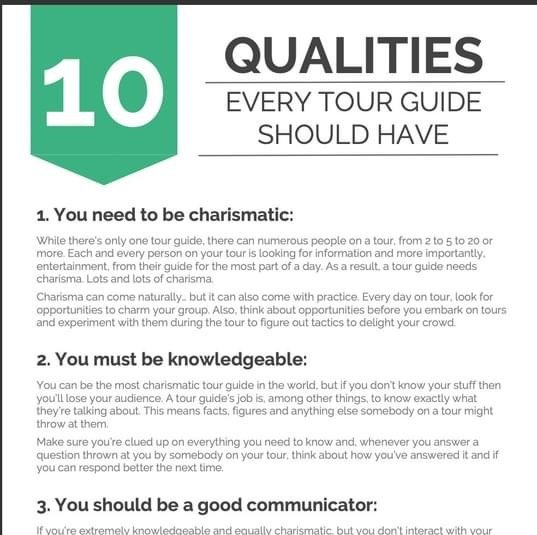
10 Skills every tour guide's should have!
By Hamdy Ahmed • June 20, 2021
The Essential Qualities Every Tour Guide Should Have in Egypt When exploring Egypt, a great tour guide can make all the difference in your experience. Here are the key qualities every tour guide should possess:
Travel Advisory for Egypt: Latest Updates
By Hamdy Ahmed • June 20, 2021
Travel Advisory for Egypt: Latest Updates As of February 2025, Egypt has lifted all COVID-19 travel restrictions, welcoming travelers without the need for pre-arrival testing. The government has implemented new health and safety measures to ensure the well-being of visitors: