Saqqara: Discover the Step Pyramid and the Birthplace of Pyramid Architecture

When exploring ancient Egypt, the Great Pyramids of Giza are only part of the story. Just south of Cairo lies Saqqara, one of Egypt's most important archaeological sites and the home of the remarkable Step Pyramid of Djoser.

Saqqara offers an extraordinary journey through ancient Egyptian history, with impressive pyramids, decorated tombs, underground chambers and monuments dating back thousands of years. It is one of the best places to understand how Egyptian pyramid architecture developed and how the ancient civilization evolved.

Step Pyramid of Djoser at the ancient Saqqara archaeological site in Egypt
The famous Step Pyramid of Djoser at Saqqara, Egypt.
Why visit Saqqara? Discover the origins of pyramid construction, explore ancient Egyptian tombs and understand the evolution of one of the world's greatest civilizations.

Where Is Saqqara in Egypt?

Saqqara is located approximately 30 kilometres south of Cairo, near the ancient city of Memphis. It served as an important royal and elite burial ground for thousands of years, containing monuments from different periods of ancient Egyptian history.

The vast Saqqara Necropolis includes royal pyramids, decorated private tombs, religious monuments and underground burial complexes. Its archaeological importance makes it one of the most fascinating historical destinations near Cairo and Giza.

The Step Pyramid of Djoser: The Beginning of Pyramid Architecture

The most famous monument at Saqqara is the Step Pyramid of Pharaoh Djoser, built during Egypt's Third Dynasty around the 27th century BC.

Designed by the legendary architect Imhotep, the pyramid is widely recognized as the earliest major monumental stone pyramid in Egypt. Its distinctive design consists of six levels rising above the desert landscape, creating the appearance of a giant staircase.

The Step Pyramid represents a revolutionary development in ancient Egyptian architecture. It marked an important transition from traditional royal burial structures to monumental pyramid construction, paving the way for the later pyramids at Dahshur and Giza.

The six levels of the Step Pyramid of Pharaoh Djoser at Saqqara
The impressive architecture of Djoser's Step Pyramid.
Ancient stone structures and archaeological monuments at Saqqara Egypt
Explore the ancient monuments of the Saqqara Necropolis.

The Pyramid of Unas and the Ancient Pyramid Texts

Another historically important monument at Saqqara is the Pyramid of Pharaoh Unas, dating to the Fifth Dynasty. Although smaller than the famous pyramids of Giza, it has exceptional historical significance.

Its burial chambers contain some of the earliest known religious inscriptions inside an Egyptian pyramid, known as the Pyramid Texts. These ancient writings include spells, prayers and religious passages intended to help the king in his journey through the afterlife.

The Pyramid Texts provide valuable insight into ancient Egyptian religion, royal beliefs and ideas about life after death.

Explore the Ancient Tombs of Saqqara

Beyond its pyramids, Saqqara is famous for its beautifully decorated ancient Egyptian tombs. Many belonged to important officials, nobles and high-ranking individuals who served the pharaohs.

Inside these tombs, visitors can discover remarkably detailed wall decorations showing scenes of everyday life, including agriculture, fishing, hunting, food preparation, religious ceremonies and offerings.

These colourful reliefs offer a fascinating window into ancient Egyptian society and allow visitors to understand how people lived, worked and celebrated thousands of years ago.

The Serapeum of Saqqara: An Underground Ancient Wonder

One of the most remarkable archaeological complexes associated with Saqqara is the Serapeum. This underground burial complex was dedicated to the sacred Apis bulls, which were associated with the god Ptah and later the god Serapis.

The Serapeum contains enormous underground galleries and chambers, including massive stone sarcophagi used for the burial of the sacred bulls. Its impressive construction demonstrates the religious importance of the site during later periods of ancient Egyptian history.

Ancient underground burial galleries of the Serapeum at Saqqara
The Serapeum, an extraordinary underground burial complex at Saqqara.

Saqqara, Memphis and Dahshur: Discover More Ancient Egypt

Saqqara was closely connected with Memphis, one of the most important cities in ancient Egypt. Memphis served as a major political and cultural centre, particularly during the early dynastic periods.

Today, travellers can combine a visit to Saqqara with the nearby archaeological sites of Memphis and Dahshur. This route offers an excellent opportunity to discover different stages of pyramid development and explore some of Egypt's most important ancient monuments in one day.

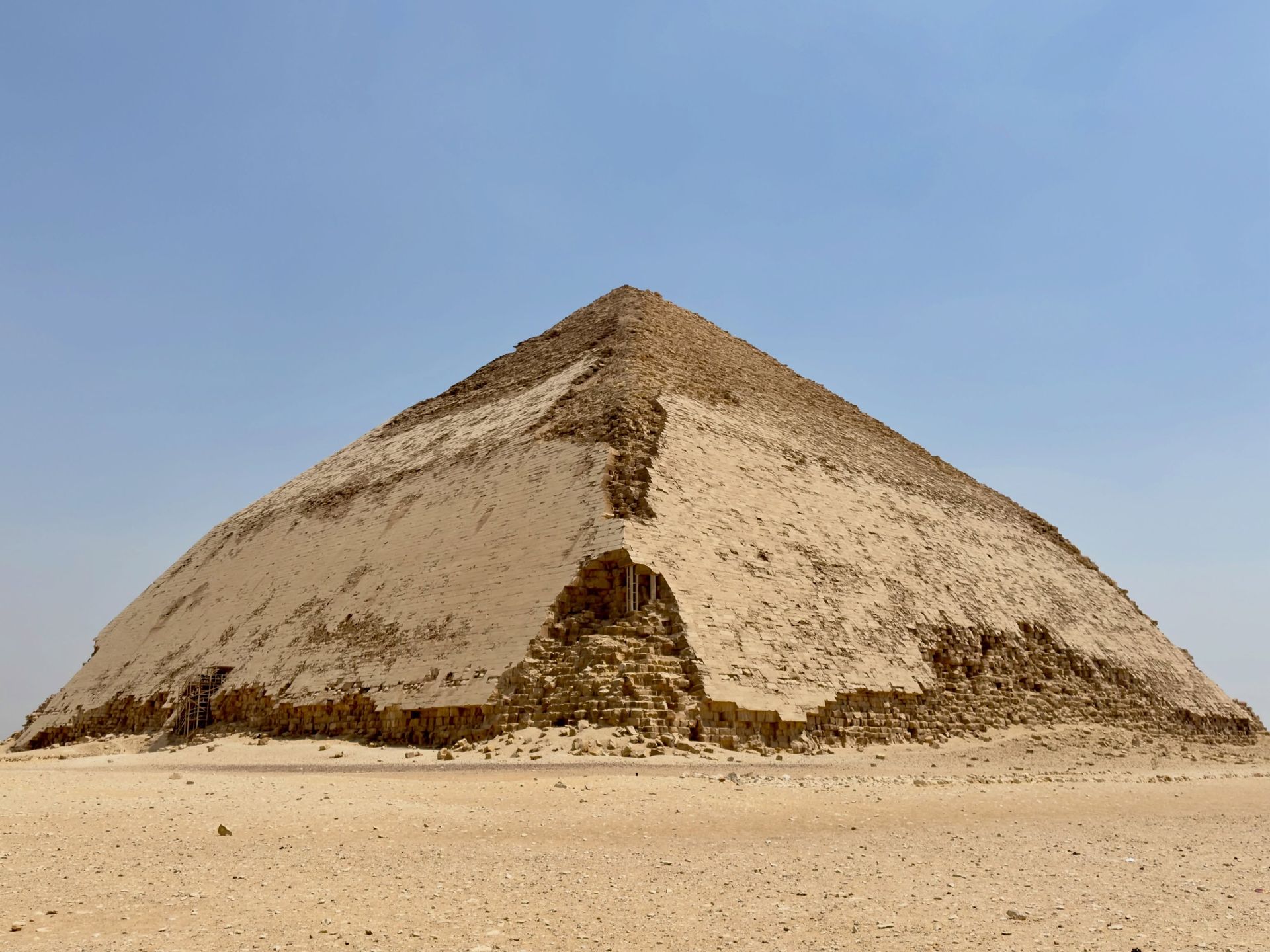
At Dahshur, visitors can admire the unusual Bent Pyramid and the Red Pyramid, while Memphis offers a glimpse into the history of Egypt's ancient capital.

The Bent Pyramid and Red Pyramid at Dahshur near Saqqara Egypt
The Bent Pyramid and Red Pyramid at Dahshur.

What Can You See and Do at Saqqara?

A visit to Saqqara can include several fascinating historical and cultural experiences:

  • Explore the famous Step Pyramid of Pharaoh Djoser.
  • Discover the ancient Pyramid of Unas and its Pyramid Texts.
  • Visit decorated tombs belonging to ancient Egyptian officials.
  • Explore the Serapeum underground burial complex, when accessible.
  • Learn about ancient Egyptian architecture and burial traditions.
  • Discover the history of the ancient capital of Memphis.
  • Enjoy photography opportunities across the desert archaeological landscape.
  • Combine Saqqara with the Bent Pyramid and Red Pyramid at Dahshur.

Best Time to Visit Saqqara

The cooler months, generally from October to April, are comfortable for exploring Saqqara. Early morning visits are particularly enjoyable because temperatures are usually lower and the soft sunlight creates excellent conditions for photography.

Since much of the archaeological site is outdoors, comfortable walking shoes, drinking water, sunscreen and a hat are recommended. Allow enough time to explore the monuments and tombs without rushing.

Why Visit Saqqara with a Private Egyptologist Tour Guide?

Exploring Saqqara with a knowledgeable Egyptologist tour guide can make your visit much more meaningful. Instead of simply seeing ancient monuments, you can understand the stories, architectural developments and religious beliefs behind them.

With Emo Tours Sweden, you can enjoy a private Saqqara tour with comfortable transportation, a flexible itinerary and professional guidance. Discover the Step Pyramid, learn about ancient Egyptian civilization and explore the archaeological sites at your own pace.

Discover ancient Egypt beyond the Great Pyramids! Explore Saqqara, Memphis and Dahshur with Emo Tours Sweden and experience the fascinating origins of pyramid architecture.

Frequently Asked Questions About Saqqara

What is Saqqara famous for?

Saqqara is famous for the Step Pyramid of Djoser, one of the earliest monumental stone pyramids in Egypt. The site also contains ancient tombs, royal pyramids, religious monuments and the Serapeum.

Where is Saqqara located?

Saqqara is located approximately 30 kilometres south of Cairo, near the ancient city of Memphis. It can easily be visited on a day trip from Cairo or Giza.

Who built the Step Pyramid of Djoser?

The Step Pyramid was built for Pharaoh Djoser during the Third Dynasty and is traditionally attributed to his architect, Imhotep.

Why is the Step Pyramid important?

The Step Pyramid represents a major milestone in ancient Egyptian architecture. It is widely recognized as the earliest major monumental stone pyramid in Egypt and an important stage in the development of later pyramids.

Can I visit Saqqara, Memphis and Dahshur in one day?

Yes. A private day tour can combine Saqqara, Memphis and Dahshur. With private transportation and a well-planned itinerary, you can explore the major highlights of all three archaeological destinations in one day.

How long should I spend at Saqqara?

Most visitors should allow around two to three hours to explore the main attractions, depending on which pyramids, tombs and archaeological areas are open during their visit.

Is Saqqara worth visiting?

Absolutely. Saqqara is one of Egypt's most important archaeological destinations. It offers a deeper understanding of pyramid construction, ancient Egyptian beliefs and daily life beyond the famous monuments of Giza.

Can I visit the Step Pyramid with a private transfer?

Yes. You can book a Saqqara Step Pyramid entry ticket with private pickup and drop-off from your hotel in Cairo or Giza, making your visit convenient and comfortable.

Discover Where the Story of the Pyramids Began

Saqqara is much more than an archaeological site. From the revolutionary Step Pyramid of Djoser to decorated tombs, ancient religious texts and underground burial chambers, it reveals the origins of Egypt's extraordinary pyramid-building tradition.

If the Great Pyramids of Giza represent the achievements of ancient Egypt at their height, Saqqara helps tell the story of how that architectural tradition began.

Explore ancient Egypt differently with Emo Tours Sweden.

Emo Tours Sweden
Website: www.emotourssweden.com
Email: info@emotourssweden.com
WhatsApp: +46 709 263 343

Grand Egyptian Museum: Discover the Treasures of Ancient Egypt

The Grand Egyptian Museum (GEM) is one of Egypt's most impressive cultural attractions and an exciting destination for anyone interested in ancient history, archaeology, and Egyptian civilization.

Located near the world-famous Giza Pyramids, the museum brings together thousands of ancient Egyptian artifacts in a remarkable modern architectural setting. Visitors can explore the history of the pharaohs, discover extraordinary works of art, and learn more about the civilization that shaped one of the world's most fascinating ancient cultures.

Its location also makes it possible to combine a museum visit with the famous Pyramids of Giza, creating an unforgettable day of history, archaeology, and culture in Cairo.

Grand Egyptian Museum in Giza, Egypt, showcasing its impressive modern architecture

Where Is the Grand Egyptian Museum?

The Grand Egyptian Museum is located in the Giza area, close to the Pyramids of Giza and approximately 30 minutes from central Cairo, depending on traffic.

Its location makes it convenient for travelers staying in both Cairo and Giza. Visitors can include the museum in a private sightseeing itinerary alongside the Giza Pyramids, the Great Sphinx, Saqqara, or other historical attractions.

Travel tip: If you are staying in Cairo or Giza, consider arranging private transportation to make your museum visit more comfortable and easier to combine with other attractions.

A Modern Museum for an Ancient Civilization

The Grand Egyptian Museum combines ancient Egyptian heritage with modern museum design. Its impressive architecture, spacious galleries, and large exhibition areas create an environment where visitors can explore thousands of years of history.

As you enter the museum, the building itself becomes part of the experience. Large open spaces and carefully designed exhibition areas provide an impressive setting for discovering Egypt's ancient heritage.

Interior and architectural features of the Grand Egyptian Museum in Cairo, Egypt

Explore Thousands of Ancient Egyptian Artifacts

One of the main reasons to visit the Grand Egyptian Museum is its extraordinary collection of ancient Egyptian artifacts. The collections cover different periods of Egyptian history and include statues, jewelry, ceremonial objects, funerary items, and objects from everyday life.

Together, these discoveries help tell the story of Egypt's pharaohs, religious beliefs, royal traditions, artistic achievements, and daily life. Each object offers a closer look at the people and culture behind the monuments that still stand across Egypt today.

The Treasures of Tutankhamun

One of the most anticipated attractions associated with the Grand Egyptian Museum is the collection of treasures belonging to King Tutankhamun.

Tutankhamun became one of the most famous pharaohs in history following the discovery of his remarkably preserved tomb in the Valley of the Kings in 1922 by Howard Carter.

The objects from the young pharaoh's tomb offer an extraordinary insight into royal life, craftsmanship, religious beliefs, and burial traditions during ancient Egypt's New Kingdom.

The collection includes beautifully decorated objects, jewelry, statues, and other royal treasures that demonstrate the exceptional skill of ancient Egyptian craftsmen.

Important: Check the current ticket information and exhibition access arrangements before your visit. Some experiences or special exhibitions may require separate admission or have specific access conditions.

See Monumental Ancient Egyptian Statues

The Grand Egyptian Museum also presents monumental statues and sculptures representing some of Egypt's most important rulers and historical figures.

These impressive works provide visitors with a better understanding of ancient Egyptian artistic traditions and the importance of pharaohs and gods in Egyptian culture. Walking through the exhibition spaces allows travelers to appreciate the remarkable details carved into stone thousands of years ago.

Ancient Egyptian statues and archaeological treasures displayed at the Grand Egyptian Museum

Why Visit the Grand Egyptian Museum?

The Grand Egyptian Museum offers a different experience from visiting archaeological sites such as Giza, Saqqara, and Dahshur.

At the pyramids, you can stand beside the actual monuments built thousands of years ago. Inside the museum, you can discover the artifacts, statues, and objects created and used by the people of ancient Egypt.

Combining both experiences gives visitors a deeper understanding of Egyptian civilization and the people who built its extraordinary monuments.

  • Discover remarkable ancient Egyptian artifacts and royal treasures.
  • Learn about the pharaohs and their role in Egyptian history.
  • Explore monumental statues and ancient sculptures.
  • Discover objects connected with the life and burial of Tutankhamun.
  • Experience one of Egypt's most impressive modern cultural attractions.

Combine the Grand Egyptian Museum with the Giza Pyramids

Because the Grand Egyptian Museum is located close to the Giza Pyramids, combining the two attractions is an excellent choice for travelers with limited time in Cairo.

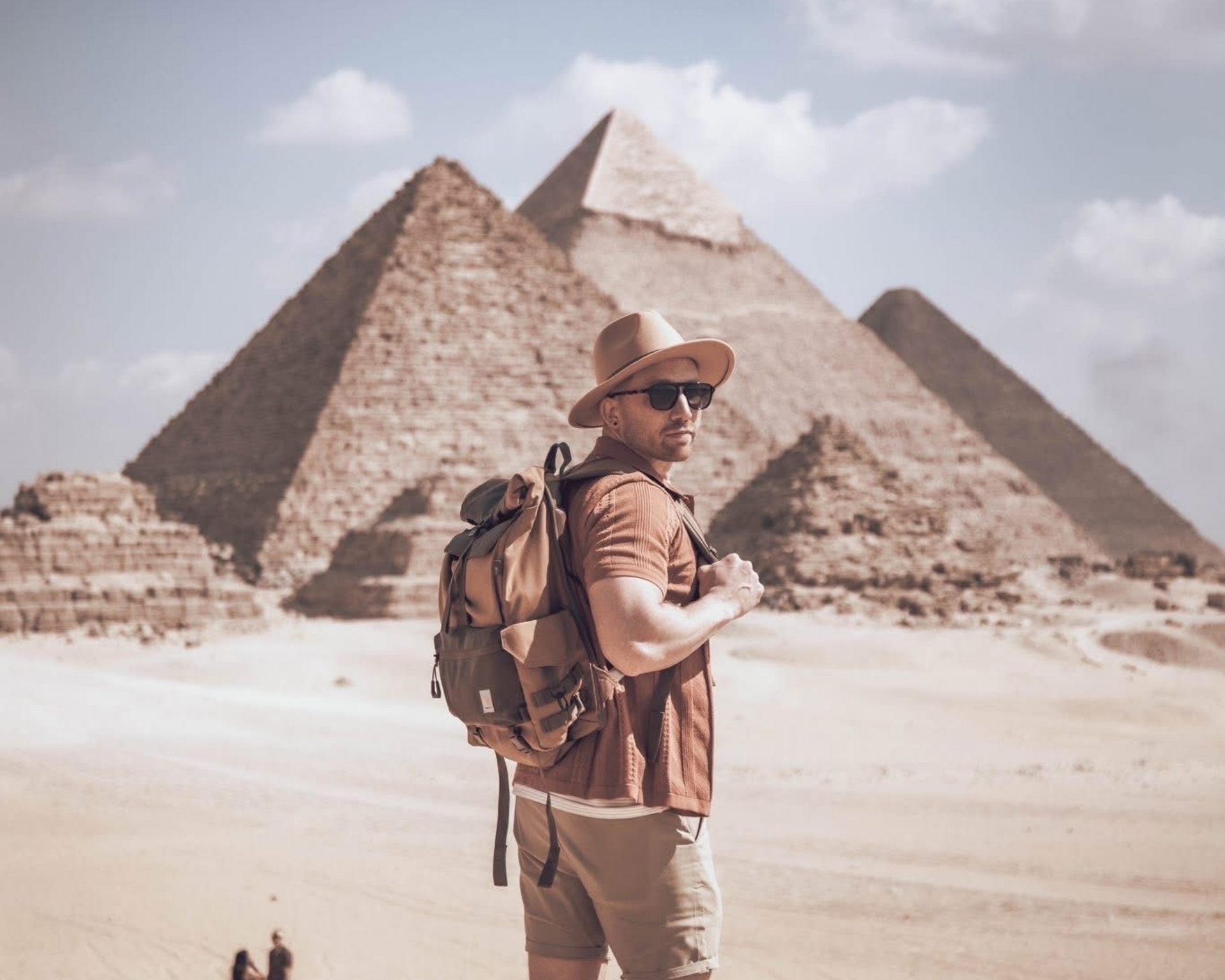
A typical sightseeing itinerary can begin with a visit to the Giza Pyramids, including the Great Pyramid of Khufu, the Pyramid of Khafre, the Pyramid of Menkaure, and the Great Sphinx.

Travelers can then continue to the Grand Egyptian Museum to explore ancient artifacts and learn more about the civilization that created these extraordinary monuments.

This combination allows you to experience both the monumental architecture of ancient Egypt and the treasures that reveal the lives of its people in one memorable day.

A Great Destination for Families

The Grand Egyptian Museum can be an exciting experience for families traveling with children. Instead of learning about ancient Egypt only through books, children can see real archaeological objects, statues, and historical treasures while discovering stories about pharaohs, gods, and everyday life.

The museum's modern environment also provides a comfortable setting for families to explore Egyptian history together. Parents can make the experience more engaging by explaining the stories behind the artifacts and encouraging children to ask questions.

Tips for Visiting the Grand Egyptian Museum

To make the most of your visit, consider these practical tips:

  • Allow enough time: The museum has extensive exhibition spaces, so give yourself plenty of time to explore.
  • Wear comfortable shoes: You may spend several hours walking through the galleries.
  • Combine your visit with Giza: The museum's location makes it convenient to include the pyramids in the same itinerary.
  • Check ticket information: Review admission details and access arrangements for any special exhibitions before visiting.
  • Consider a professional guide: A knowledgeable Egyptologist can explain the stories behind the artifacts and help you understand their historical importance.
  • Arrange transportation: Private pickup and drop-off can make your journey between your hotel and the museum more convenient.

The Best Way to Experience the Grand Egyptian Museum

A private tour is a convenient way to visit the Grand Egyptian Museum, especially for travelers who want a comfortable journey and a more informative experience.

Private transportation allows you to travel between your hotel and the museum without worrying about arranging local transport. With a professional Egyptologist guide, you can also learn more about the history and significance of the artifacts and exhibitions.

Whether you prefer a simple museum visit with private transfers or a guided experience, choosing the right tour can help you make the most of your time in Cairo.

Explore the Grand Egyptian Museum with Emo Tours Sweden

Emo Tours Sweden offers convenient Grand Egyptian Museum experiences for travelers visiting Cairo and Giza. Choose between a museum ticket with private transportation or a guided half-day trip with a professional guide.

Grand Egyptian Museum ticket experience with private pickup and drop-off

Grand Egyptian Museum Ticket with Private Pick Up and Drop Off

Visit the Grand Egyptian Museum with the convenience of private transportation from your hotel. Enjoy a comfortable pickup and drop-off service and discover the museum at your own pace.

View Tour Details
Guided half-day visit to the Grand Egyptian Museum from Cairo

Grand Egyptian Museum Half Day Guided Trip from Cairo

Discover the fascinating history of ancient Egypt on a guided museum visit from Cairo. Explore the collections and learn about the pharaohs, royal treasures, and ancient Egyptian civilization.

View Tour Details

Frequently Asked Questions About the Grand Egyptian Museum

Where is the Grand Egyptian Museum located?

The Grand Egyptian Museum is located in Giza, near the famous Giza Pyramids and approximately 30 minutes from central Cairo, depending on traffic.

What can I see inside the Grand Egyptian Museum?

Visitors can explore ancient Egyptian statues, jewelry, ceremonial objects, funerary artifacts, and collections covering different periods of Egyptian history, including objects associated with King Tutankhamun.

Can I visit the Grand Egyptian Museum and the Giza Pyramids on the same day?

Yes. The museum is close to the Giza Pyramids, making it possible to combine both attractions in one sightseeing itinerary. Allow sufficient time for each visit.

How long should I spend at the Grand Egyptian Museum?

The time required depends on your interests and the exhibitions you want to explore. Allow several hours for a comfortable visit and more time if you plan to see the museum in detail.

Is a tour guide recommended at the Grand Egyptian Museum?

A professional Egyptologist guide can make your visit more informative by explaining the history, cultural significance, and stories behind the museum's artifacts.

Can I book a Grand Egyptian Museum tour with private transportation?

Yes. Emo Tours Sweden offers a Grand Egyptian Museum ticket experience with private pickup and drop-off, as well as a guided half-day museum trip from Cairo.

Discover Ancient Egypt at the Grand Egyptian Museum

The Grand Egyptian Museum represents an exciting chapter in the way visitors can experience the history of ancient Egypt.

From monumental statues and ancient artifacts to the treasures associated with Tutankhamun, the museum offers an extraordinary journey through one of the world's most fascinating civilizations.

Whether you are visiting Egypt for the first time or returning to discover more, the Grand Egyptian Museum is an experience worth adding to your Cairo itinerary.

After exploring its galleries, you can look toward the nearby Giza Plateau, where the pyramids have stood for thousands of years — a powerful reminder of the remarkable civilization you have just discovered.

Plan Your Grand Egyptian Museum Visit

Let Emo Tours Sweden help you discover the treasures of ancient Egypt with convenient private transportation and guided sightseeing experiences.

Website: www.emotourssweden.com

Email: info@emotourssweden.com

WhatsApp: +46 709 263 343

Guiding Training & Insights

Dahshur Bent and Red Pyramid - Emo Tours Sweden
By Hamdy Ahmed • October 7, 2026
Discover the Dahshur Pyramids near Cairo, including the Bent Pyramid and Red Pyramid. Explore ancient Egyptian history and the evolution of pyramid architecture.
Giza pyramids
By Hamdy Ahmed • August 30, 2026
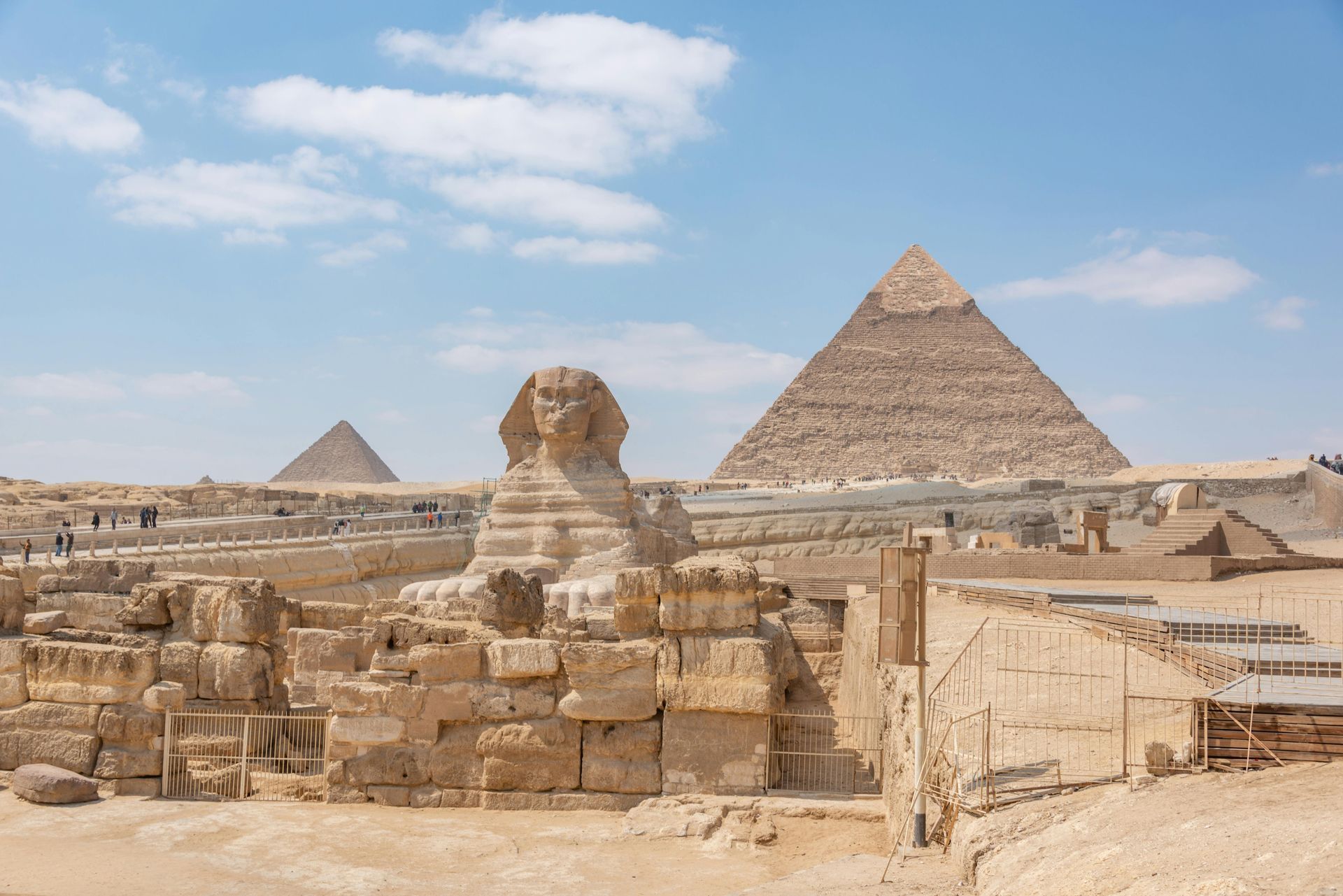
Discover the Great Pyramids of Giza, explore the pyramids of Khufu, Khafre and Menkaure, visit the Sphinx, and experience ancient Egypt in Cairo.
White desert safari from Cairo with Emo Tours Sweden
By Hamdy Ahmed • December 4, 2025
Explore the best desert safari tours from Cairo, including the White Desert, Fayoum, Wadi El Hitan, Giza ATV rides, sandboarding, and private 4x4 adventures.
Exploring Luxor: Egypt's Ancient Heartbeat
By Hamdy Ahmed • March 8, 2025
Luxor, often referred to as the "world’s greatest open-air museum," is one of the most iconic cities in Egypt. It’s located along the Nile River in Upper Egypt and was once the capital of the ancient Egyptian New Kingdom. Today, Luxor stands as a testament to Egypt's glorious past, with magnificent temples, tombs, and monuments that provide insight into the country's rich history.
Wadi Al-Hitan (Whales Valley) is one of the most remarkable paleontological sites in the world, offe
By Hamdy Ahmed • February 27, 2025
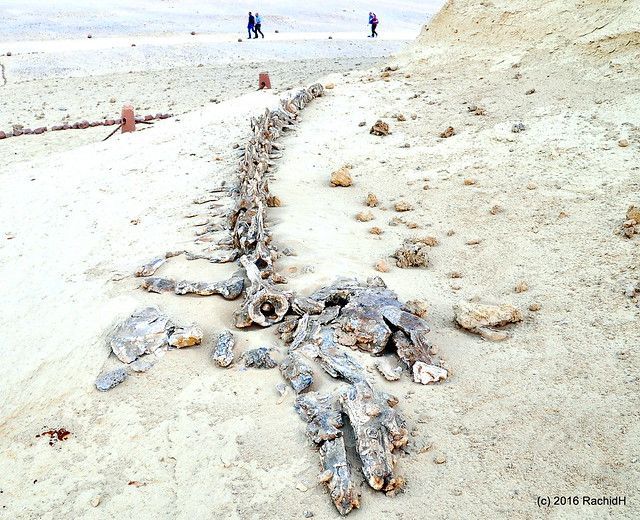
Wadi Al-Hitan (Whales Valley) is one of the most remarkable paleontological sites in the world, offering a glimpse into life on Earth 40 million years ago
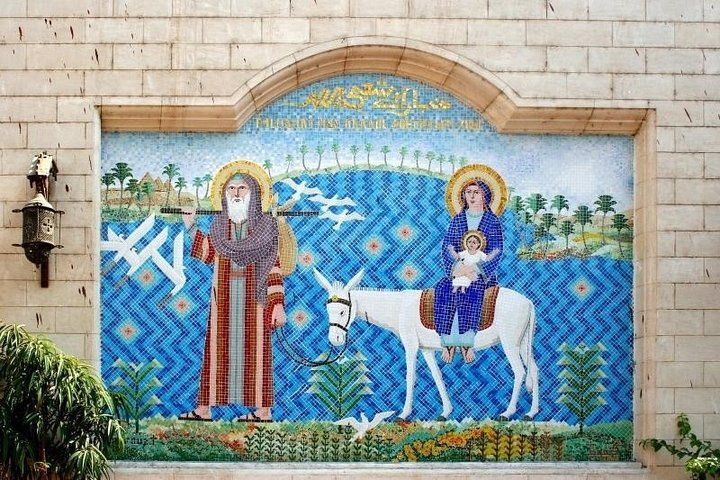
the journey of the Holy Family in Egypt, including key destinations for spiritual pilgrimage
By Hamdy Ahmed • February 25, 2025
The story of the Holy Family—Jesus, Mary, and Joseph—escaping to Egypt is one of the most significant events in Christian history, known as the Flight into Egypt. This journey is mentioned in the Gospel of Matthew (2:13-15), where an angel warns Joseph in a dream to take his family to Egypt to avoid King Herod’s decree to kill all male infants in Bethlehem. As they fled, they traveled through various regions in Egypt, marking important places where the family is believed to have stayed.
By Hamdy Ahmed • February 24, 2025
The Nile River: Lifeblood of Egypt The Nile River is not only the longest river in the world but also the lifeblood of Egypt. Flowing through the heart of the country, it has been a source of life, sustenance, and prosperity for thousands of years.....
By Hamdy Ahmed • February 23, 2025
Egypt, the cradle of one of the oldest civilisations in history, is a country that has fascinated traveller's for centuries. From the awe-inspiring pyramids to the serene Nile River, Egypt is a treasure trove of cultural and historical wonders.......
By Hamdy Ahmed • February 23, 2025
Being a successful tour leader in Egypt requires a combination of knowledge, professionalism, and customer service skills. Here are some key qualities and responsibilities. 1. Deep Knowledge of Egypt. -Study Egyptian history, culture, and geography thoroughly.-Stay updated on the latest tourism trends and attractions.
By Hamdy Ahmed • January 28, 2024
Are you seeking a unique and personal connection with ancient history and spirituality? Look no further. At Emo Tours Sweden, we understand the significance of practicing your religion in a sacred and private space
By Hamdy Ahmed • June 2, 2023
Gustav II Adolf, also known as Gustavus Adolphus in English, was born in 1594 in Sweden. He became king of Sweden in 1611 at the age of 17, following the death of his father.....
A scenic view of the Göta Älv River in Gothenburg, Sweden
By Hamdy Ahmed • June 2, 2023
The Göta Älv is a major river in Sweden that runs through the city of Gothenburg. It is one of the country's longest rivers, stretching over 93 miles (150 km) from its source in the Vänern Lake to its mouth in the Kattegat sea. In Gothenburg, the Göta Älv river is a defining.....
By Hamdy Ahmed • June 2, 2023
The Stock Exchange Building, or Börsen, is a historic landmark located in the city center of Gothenburg, Sweden. It was completed in 1849 and is one of the city's most iconic and recognizable buildings.....
By Hamdy Ahmed • May 30, 2023
Sweden has a rich and unique cultural heritage that is deeply rooted in its history, traditions, and values. Here are some key aspects of Swedish traditional and culture: Fika - A traditional Swedish....
By Hamdy Ahmed • May 30, 2023
The Gothenburg City Hall (Göteborgs rådhus) is a historic building located in the city canter of Gothenburg, Sweden. It was completed in......
By Hamdy Ahmed • May 30, 2023
Gothenburg Central Station (Göteborgs Centralstation) Gothenburg Central Station, or Göteborgs Centralstation, is the largest and busiest railway station in Gothenburg, Sweden. Opened in 1858, the station has undergone several transformations, with a major rebuild in the early 20th century to accommodate the increasing number of passengers and expanding train traffic. Today, it stands as a modern transportation hub, serving over 27 million passengers annually.
By Hamdy Ahmed • April 7, 2023
Påsk (Easter) is an important holiday in Sweden, celebrated on the first Sunday after the first full moon following the vernal equinox. The holiday is a blend of Christian and pagan traditions, and is typically observed over several days
By Hamdy Ahmed • April 2, 2023
Skansen Kronan is a historic fortress located on a hill in the Haga neighbourhood of Gothenburg. It was built in the 17th century to defend the city against attack from the east...
By Hamdy Ahmed • April 2, 2023
Slottsskogen is a large park located in the heart of Gothenburg, Sweden. It covers an area of over 137 hectares and is one of the most popular outdoor recreational areas in the city.
Haga: Gothenburg’s Historic Neighborhood Since the 1600s
By Hamdy Ahmed • March 27, 2023
Haga is one of the oldest neighbourhoods in Gothenburg, with a history dating back to the 17th century
By Hamdy Ahmed • August 18, 2021
Cairo, Egypt’s sprawling capital, is a city that captivates visitors with its rich history, stunning architecture, and vibrant culture. As one of the oldest cities in the world, it seamlessly blends ancient wonders with modern life. From the iconic Pyramids of Giza to the lively souks and peaceful parks, Cairo offers an unforgettable experience for every traveler.
10 Skills every tour guide's should have!
By Hamdy Ahmed • June 20, 2021
The Essential Qualities Every Tour Guide Should Have in Egypt When exploring Egypt, a great tour guide can make all the difference in your experience. Here are the key qualities every tour guide should possess:
Travel Advisory for Egypt: Latest Updates
By Hamdy Ahmed • June 20, 2021
Travel Advisory for Egypt: Latest Updates As of February 2025, Egypt has lifted all COVID-19 travel restrictions, welcoming travelers without the need for pre-arrival testing. The government has implemented new health and safety measures to ensure the well-being of visitors: